
What’s wrong with GM?
We want food that is produced responsibly, fairly and sustainably. GM crops do the opposite.
Not responsible
 The genes of most plants have been deliberately altered through conventional breeding but Genetically Modified (GM) organisms have had DNA artificially added, removed or changed in the lab.
GM treats DNA as if it were lego, when in fact it is a highly complex system that leading scientists are only beginning to understand. Changing one gene can have an impact on the way that others are expressed and the GM process itself can cause unexpected changes. Most safety tests are controlled by companies that profit from GM.
The most common type of GM crop is designed to survive being heavily sprayed with glyphosate which, according to the World Health Organisation, probably causes cancer. In addition, antibiotic resistance genes are often added to GM crops as “markers”, just as the international community is waking up to the threat of antibiotic resistant infections.
Not fair
 GM crops are patented so farmers are not in control. They cannot save seed and are locked into contracts with the multinational corporations that sell not just the seeds but also the weed killers they are designed to work alongside.
Globally we produce enough food for at least 10 billion people – the predicted 2050 world population peak. People are hungry because they are poor and growing more GM does not help share the world’s resources more fairly.
Not sustainable
 Most GM crops are designed to tolerate repeated spraying with a particular weed killer. Others produce their own toxin to poison insect. Weeds and insect pests are evolving resistance and the GM “solution” is crops designed to be sprayed with ever more pesticides.
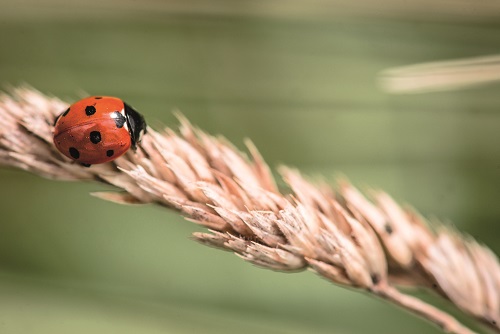
Meanwhile biodiversity suffers. Beneficial insects like lacewings and ladybirds are harmed and the monarch butterfly has declined by 90% with studies laying the blame on GM farming.
We hear a lot about the potential for GM to solve global problems but you can’t fix the system one gene at a time. Resilience in an uncertain future relies on diversity, not GM monocultures.


