
Organic Research Centre – Member Profile
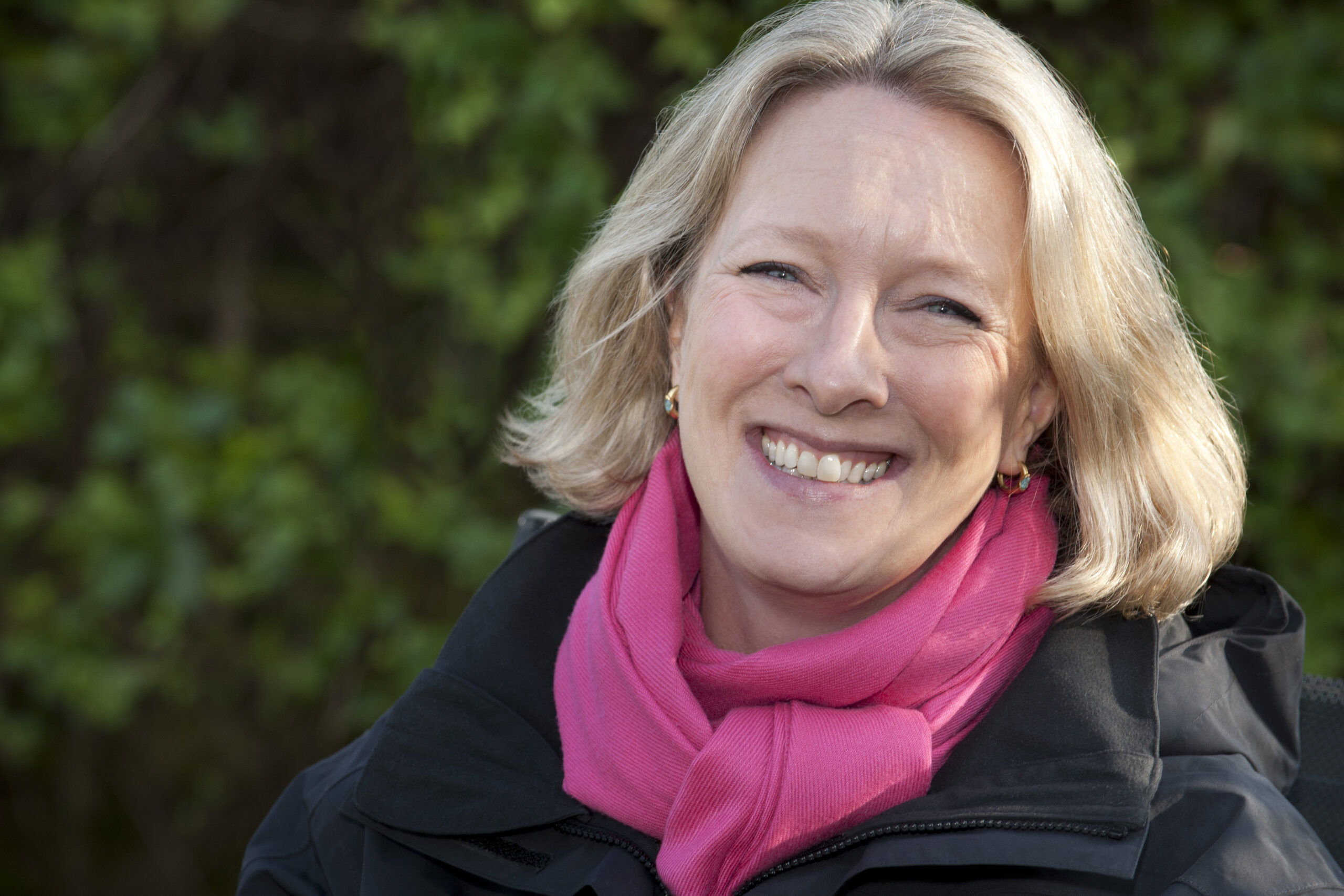 The Organic Research Centre (ORC) is the UK’s leading organic research organisation. Over the last 45 years or so, their research and knowledge exchange has helped to change the future of food and farming. GM Freeze spoke to ORC Director Lucy MacLennan to find out more.
The ORC has had an interesting history How did your work begin?
ORC was born as a response to the oil crisis of the 1970s. David Astor and Lawrence Woodward started to think about how farmers could grow food without being dependent on oil and other finite resources.
In 1980 they set up The Progressive Farming Trust—an educational charity with a focus on developing and promoting organic agriculture. They bought the 237-acre Elm Farm near Newbury in Berkshire, which became our base for the next 40 years, and Elm Farm Research Centre was founded.
Under Lawrence’s direction, EFRC developed a strong research programme, launched a soil analysis service for organic farmers, and set up the Organic Advisory Service,
helping the conversion of the future King Charles III’s Duchy Home Farm at Highgrove, among others. In 2006, we became The Organic Research Centre and we relocated to Cirencester in 2020.
What’s the motivation for ORC’s activities? In what ways do you contribute to a more sustainable food system?
Our vision is to deliver the transition to naturally healthy and resilient farming systems. This is unashamedly an organic vision. We’ve contributed to the development of organic standards and have continually strived to develop and demonstrate best practice from soil health to agroforestry, and from crop diversity to animal wellbeing. We provide continuing research into organic and agro-ecological farming methods to improve the uptake, efficiency and development of organic farming, and to help agriculture fulfil the principles of health, ecology, fairness and care.
How is the issue of genetic modification relevant to your organisation?
Our stance on genetic modification arises from the Organic Principle of Care, and the Precautionary Principle. Organic agriculture should prevent significant risks by adopting appropriate technologies and rejecting unpredictable ones, such as GM. Decisions should reflect the values and needs of all who might be affected, through transparent and participatory processes.
Back in 1990 we were one of the first international organic bodies, and the first in the UK, to oppose GM. We believe that organic farming needs a diversity-based and inclusive approach, and for deep integration of plant breeding and cropping system design. This means broadening and optimising varietal choice; diversifying plant breeding strategies including using genetically heterogeneous crops; expanding the range of available crop species; providing varied strategies for crop protection and weed control, and optimising the use of cover crops in rotations.
Is there a particular success story you’d like to share?
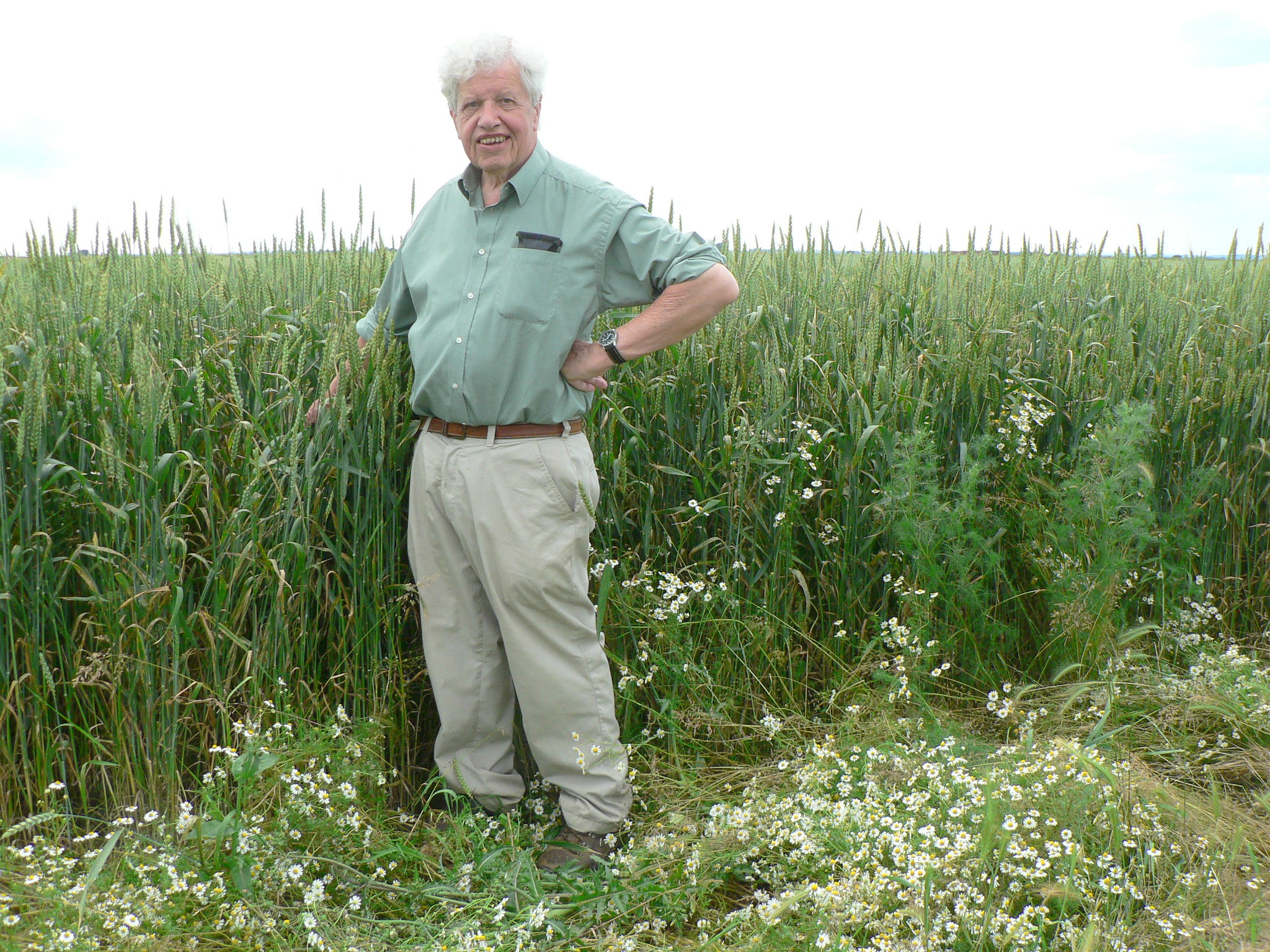 Many of the ideas we’ve been researching and advocating for years, such as agroforestry, intercropping, undersowing, and the use of legumes, have come more into the mainstream. That is a huge legacy of the pioneering work of Professor Martin Wolfe, who was an integral part of the ORC for over 25 years, as well as our research teams past and present.
As a result of Martin’s work and ORC trials at Wakelyns, we were able to convince EU officials to allow a trial period for marketing ‘varieties’ (populations) that don’t fit the normal rules and regulations. In 2015, we launched the ORC Wakelyns Population, a hugely diverse population of wheat suited to organic and low-input farming systems.
The success of the Wakelyns population (colloquially referred to as ‘YQ’) and other diverse populations has paved the way for the UK Grain Lab and others to follow. It demonstrates that agrobiodiversity offers an alternative pathway to monocrops and GM crops.
What’s next for the ORC, Lucy?
We pledge our continued commitment to organic research, to support and develop the sector. In September 2025, ORC joined the agricultural and environmental consultancy ADAS. Running a small research organisation is financially challenging so this should ensure a sustainable future for our work and the opportunity to grow our team to produce more valuable applied research into low input agricultural practices.
Dr Charlotte Bickler has stepped down as a director of GM Freeze to focus on the UK Grain Lab, continuing her work with ORC on a part-time basis. Stepping in to represent ORC on GM Freeze is Giulia Kessous, who has recently joined our Crops and Agronomy team. She has a background in law and ecology and hands-on experience with heritage grains in France, so she’s well placed to continue Charlotte’s great work.
We believe that to minimise negative impacts from agriculture we need to work in alignment with natural systems and ecosystems. We have to provide positive solutions to the problems we face. We can’t do that alone.
If you’re a member of GM Freeze and would like to be featured here, get in touch!
This article first appeared in the GM Freeze newsletter, Thin Ice, issue 69.


