
Israeli military raids Palestinian seed bank
A televised attack
The premises of the Palestinian seed bank have been raided by the Israeli military, with eight male agricultural workers who were on the premises abducted and vital equipment for the preservation of Palestinian food security and Food Sovereignty destroyed.
La Via Campesina, the international movement of small-scale farmers, has strongly condemned the attack, which occurred on the 1st December. It has reported that members of its Palestinian member organisation were subjected to harsh and humiliating treatment whilst premises in Ramallah and Hebron were violently searched. All office contents, including computers, hard drives, administrative files, financial documents and logistical equipment, were stolen or destroyed.
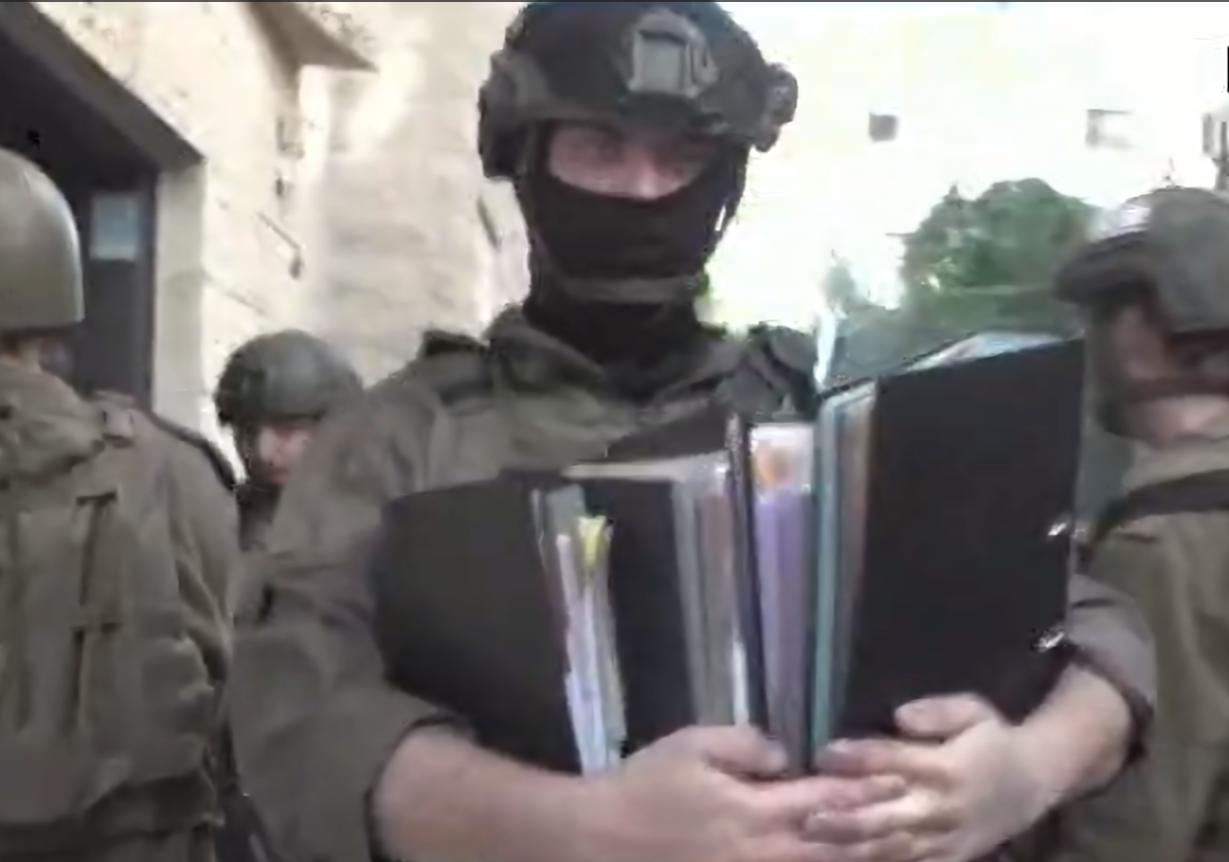
A solider removes evidence of agricultural support work. Image: Kan 11
The Ramallah raid was televised, with a presenter and camera crew from the state-owned television channel Kan 11 accompanying the military. The presenter thrust a microphone at a blindfolded man; others were seen handcuffed and lined up in stress positions. Israeli viewers could see soldiers firing bullets and tear gas on streets virtually empty until the arrival of an ambulance.
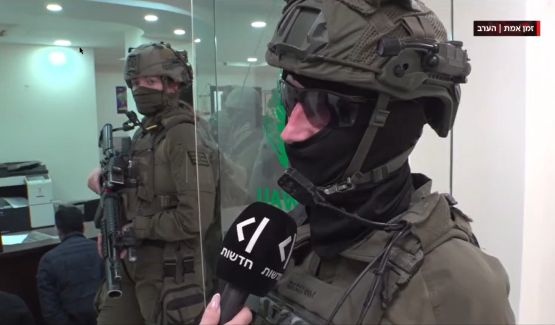
Image: Kan 11
The Palestinian News & Information Agency (WAFA) has reported that the Red Crescent treated two children injured by rubber-coated metal bullets and that two 19-year old females were hospitalised due to suffocation from tear gas.
The UN has condemned the raid.
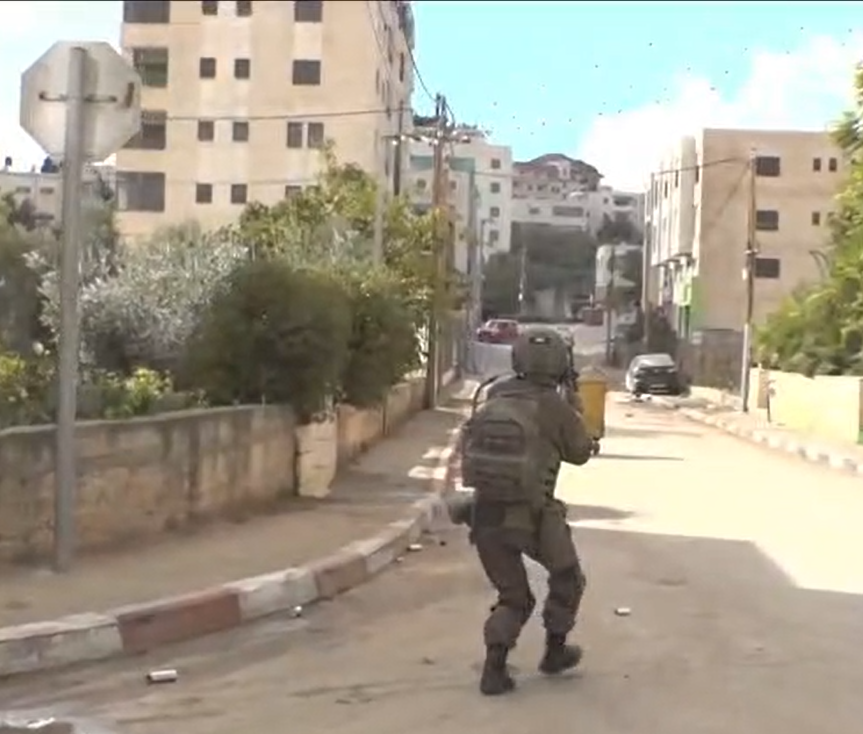
Israeli soilder fires on an apparently empty street. Image: Kan 11
Seeds for Sovereignty
Buildings in both cities were sealed and it is unclear what has happened to the seeds and equipment which were housed in one of the buildings. “The raid targeted specifically infrastructures of the Palestinian seeds bank in Hebron, destroying seed stocks that represent Palestine’s plant genetic heritage,” according to La Via Campesina.
The Palestinian Local Seed Bank, established in 2010, preserves 79 local plant varieties including traditional Palestinian vegetables, herbs, medicinal plants, field crops and wild native shrubs. It says that such seeds are important for Food Sovereignty and help farmers adapt to climate change.

A slide from the seed bank’s presentation about its work, showing cauliflower.
It is not the first time that facilities belonging to the seed bank have been attacked. Following the destruction of an important seed multiplication unit in July it told GM Freeze:
Local seeds need less water, fertilisers and pesticides, can survive drought and salty soil, and give good quality crops. Each year, seeds are multiplied and shared, including with female farmers, to support small farms and reduce dependence on GM seeds or hybrid seeds.”
Civil society under attack
WAFA reported that there has been an escalation against institutions working in the agricultural sector, which “play a pivotal role in bolstering the steadfastness of farmers and rural communities”.
The Palestinian Non-Governmental Organizations Network (PNGO) has described the attack as a “flagrant violation of international law and the protection granted to developmental and humanitarian institutions”. It highlighted the persistent targeting of Palestinian civil society institutions and their workers, “aiming to destroy the Palestinian people’s economy, resources, and capacity for resilience”. Dozens of developmental and humanitarian civil society headquarters in Gaza have been completely or partially destroyed, it said, and over 500 humanitarian workers killed.
According to the UN human rights office, “Unnecessary or disproportionate use of force, arbitrary detention, and torture or other forms of ill-treatment are permanent features in the conduct of Israeli security forces against Palestinians and Palestinian activists.” At the time of writing, 4th December 2025, the fate of the abducted workers is unclear and concern amongst international allies is high.
International public solidarity is growing from the UN and broader civil society, even as concerns increase over possible reprisals against imprisoned individuals if groups on the outside speak out.
An international call for help
La Via Campesina has called on all social movements worldwide to condemn the attack and the imprisonment of its member farmers’ organization and to contact their respective foreign ministries to exert pressure on the Israeli government to secure the release of all detainees. It also urges governments to:
- Call for the immediate and unconditional release of all detained members of La Via Campesina in Palestine and allied agricultural workers;
- Seek assurances that they will not be subject to ill-treatment, coercion, or further intimidation;
- Request an independent investigation into the raid on their offices and the confiscation or destruction of materials; and
- Communicate clearly, through diplomatic channels, that repression of lawful civil society organisations is unacceptable.
Citizens around the world can amplify these demands by contacting their elected politicians.
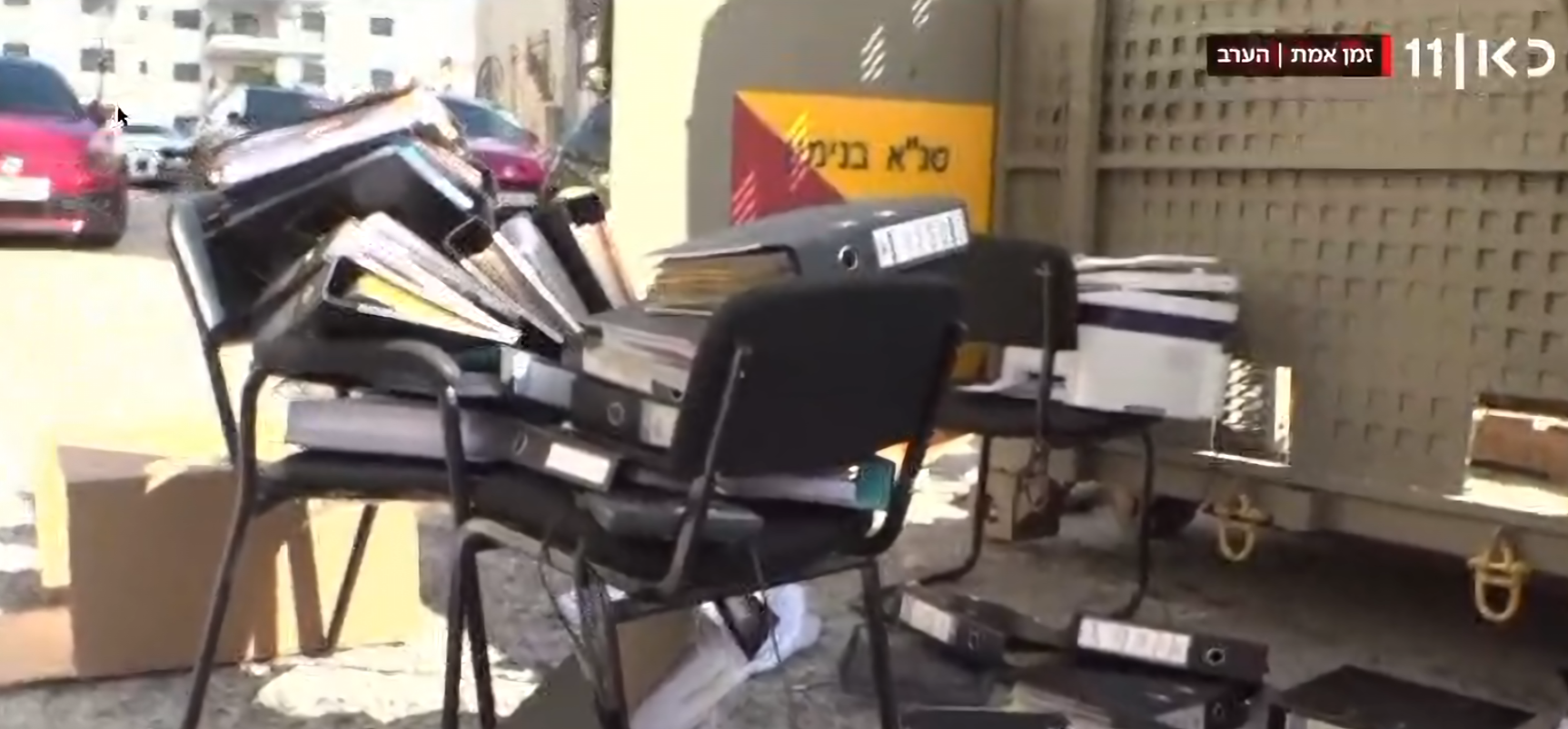
Image: Kan 11
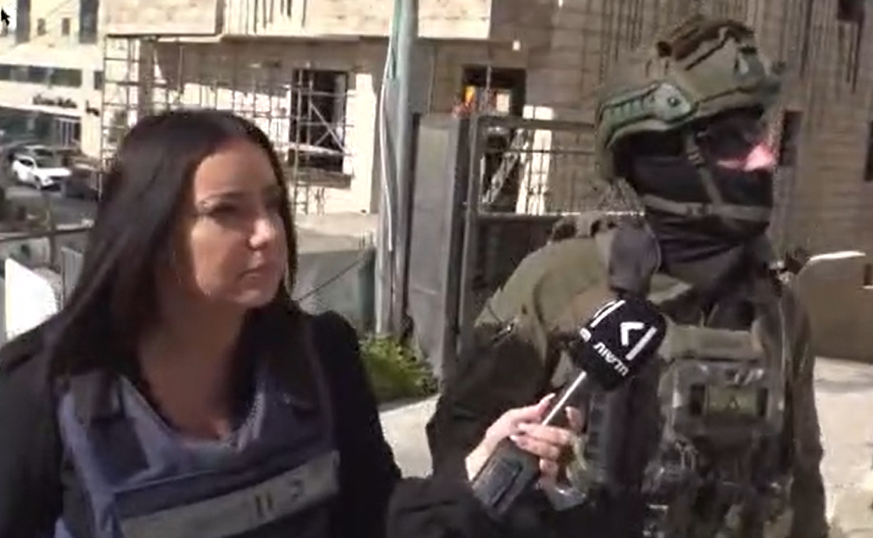
Image: Kan 11
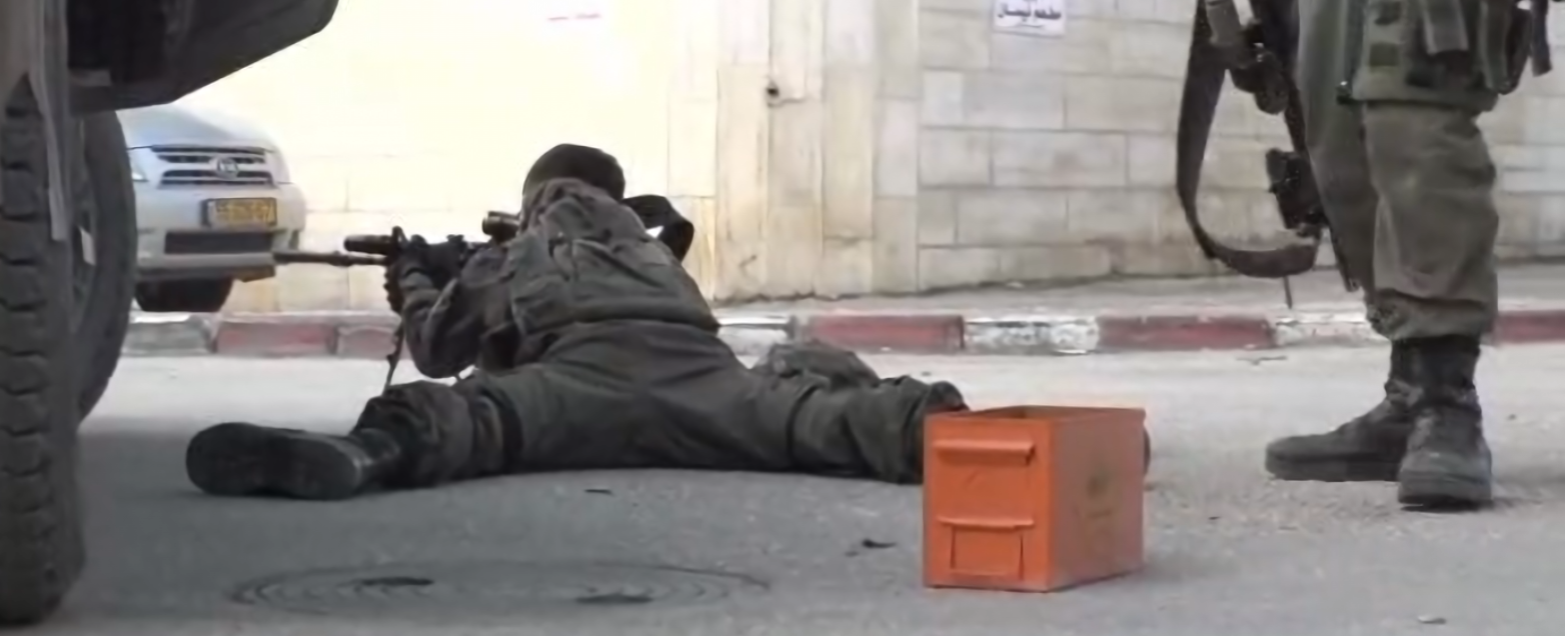
Image: Kan 11
 Image: Kan 11


